
Established in 1991, REA is a leading sustainable palm oil supply chain producer in East Kalimantan, Indonesia. As an RSPO-certified producer, the company is committed to collaborative and sustainable agricultural practices to deliver high-quality crude palm oil and crude palm kernel oil. In a landscape that is home to some of Borneo’s most threatened wildlife, responsible production and conservation efforts form a vital protective buffer for biodiversity.
A subsidiary of R.E.A Holdings PLC, PT REA KALTIM PLANTATIONS (REA) manages palm oil mills, kernel crushing plants, and plantations, whilst at the same time conserving almost 11,462 hectares of forest-protected landscapes. Satelligence has been supporting REA since 2020 by providing highly accurate satellite monitoring and risk assessment tools. These inputs form one part of REA’s broader efforts to meet No Peat, No Deforestation, No Exploitation (NDPE) commitments and prepare for new regulations like the European Union Deforestation Regulation (EUDR).
In October 2025, our Liaison Southeast Asia, Andreas Rahutomo, and Geodata Specialist, Hafidh Muhammad Hakim, visited REA’s plantations, meeting with the team on the ground and experiencing first-hand the company’s efforts to protect and promote biodiversity and ecosystem conservation amongst its sustainable palm oil supply chain production processes.
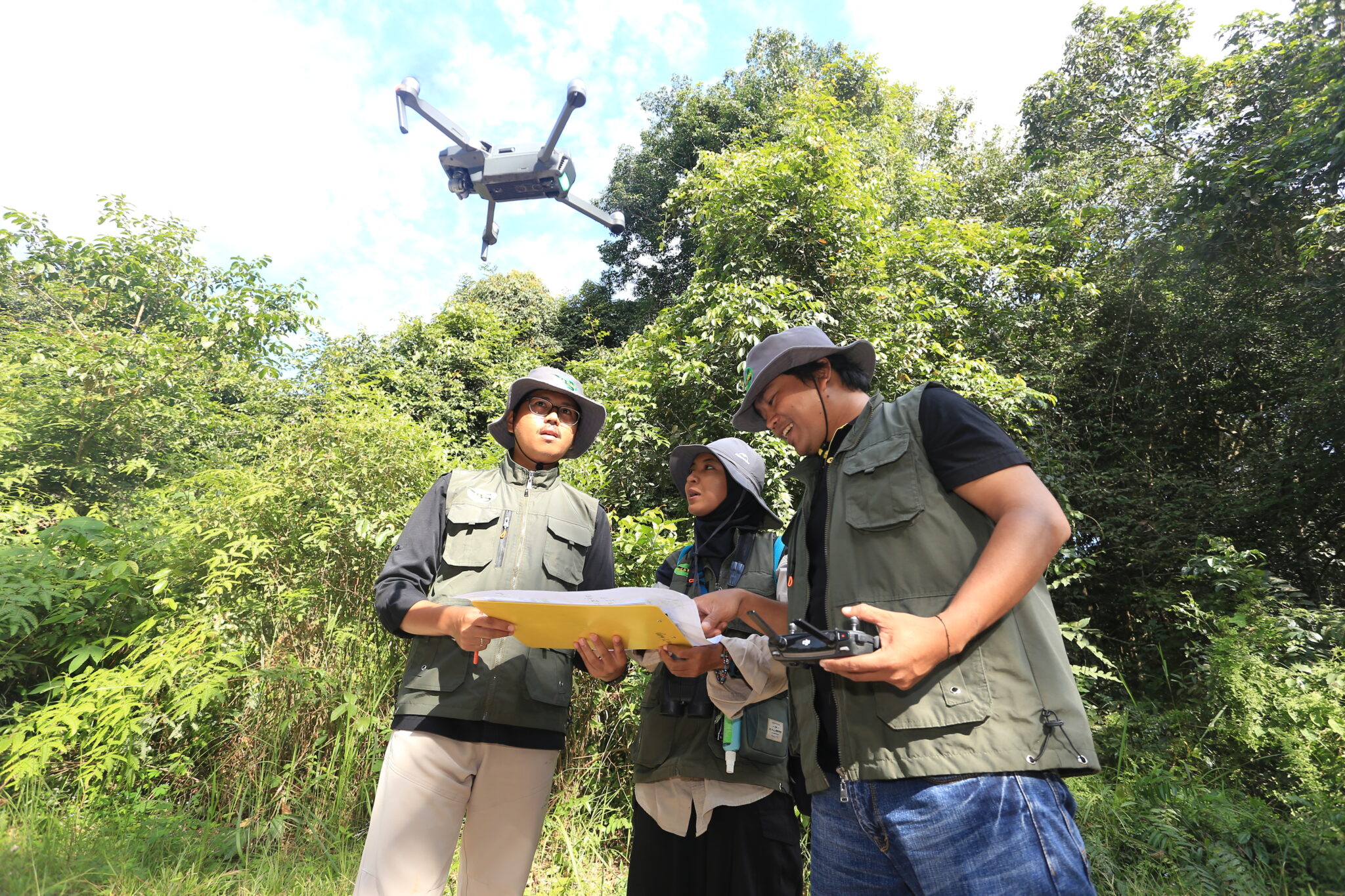
Responsible, transparent, sustainable
REA approaches its role as a producer with a clear sense of responsibility, not only to its buyers but to the community, forests, and wider landscapes within which it operates, understanding the broader need for traceable and responsibly managed sustainable palm oil supply chains. Such a commitment has placed the company at the forefront of its industry in terms of supply chain transparency, strengthening trust from communities and buyers.
In fact, REA was among the first companies to be assessed for its EUDR readiness. Conducted by Control Union Malaysia, REA’s systems were evaluated against EUDR Articles 8-13, confirming that their internal processes have already aligned with key due diligence requirements. “Satelligence’s monitoring and risk assessment tools are one of the tools we used to support our preparation for the EUDR and improve our overall transparency.”
Acknowledging that EUDR readiness is a milestone in a longer commitment, and by pushing for full visibility across its operations, REA demonstrates that responsible palm oil production can help restore trust in the sector and contribute meaningfully to forest conservation.
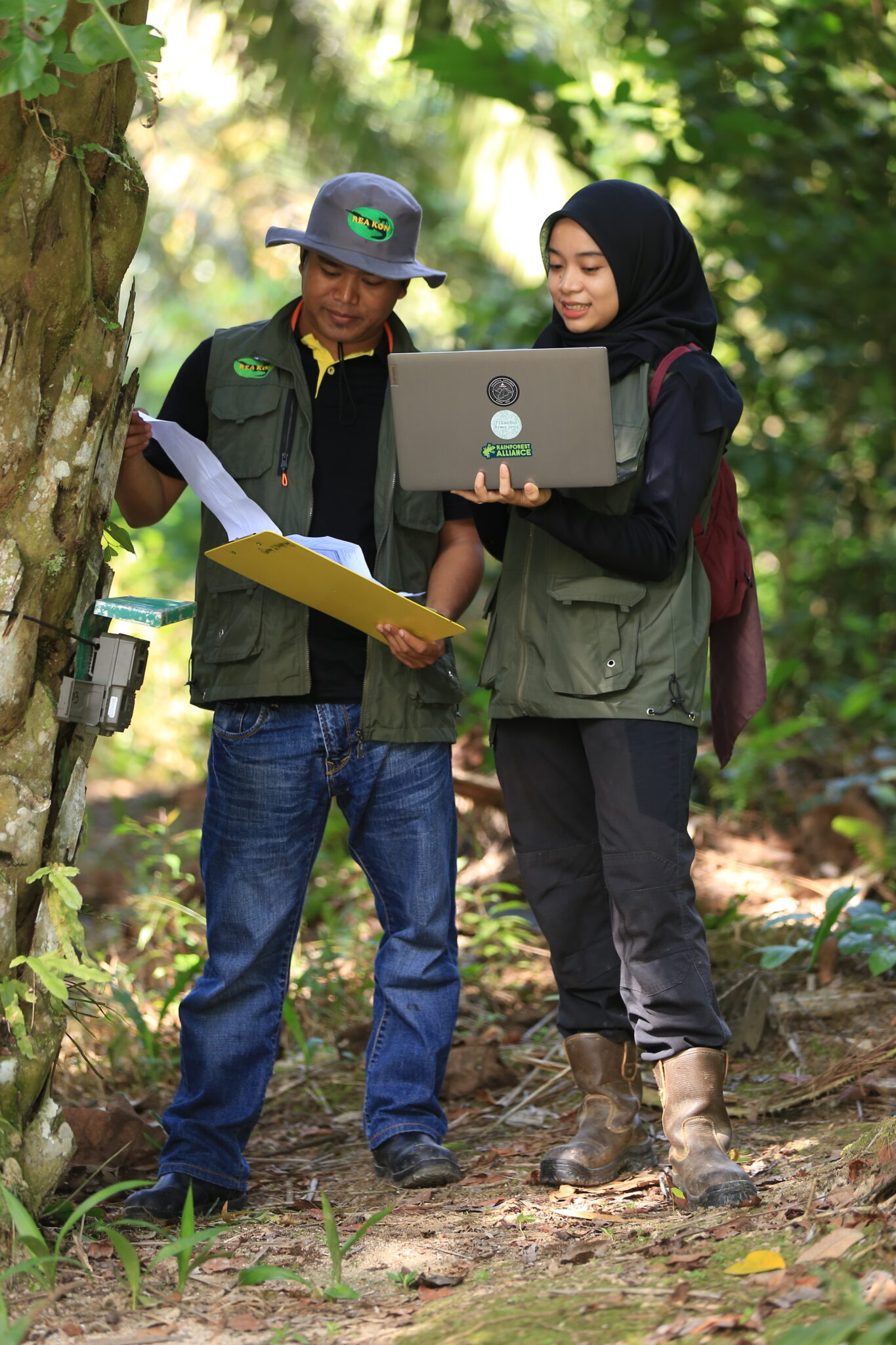
Technology that empowers sustainable palm oil supply chain
The long-standing collaboration has grown steadily over the years; “what began as a system for monitoring deforestation has now become a practical tool that supports our daily work.” Andreas hears how the deforestation risk alerts help REA to take quicker action on the ground, and the joint trainings facilitated by Satelligence have added to the REA team’s ability to check findings directly in the field. According to the team: “We use Satelligence alerts as one of the tools used to support our Grievance Action Team when responding to buyer requests and when assessing risks within our own operations and among suppliers. We have also mapped all third-party suppliers, including smallholders, and assessed deforestation risks using Satelligence data.”
Clear, concise data helps REA to identify which suppliers meet their stringent sustainability and traceability standards. Each verified alert leads the team to actively safeguard at-risk habitats and communities, whilst also supporting the company’s long-term business resilience, for now and the future: “Beyond EUDR, this collaboration has been one of several factors supporting improvements in our internal systems and data confidence.”
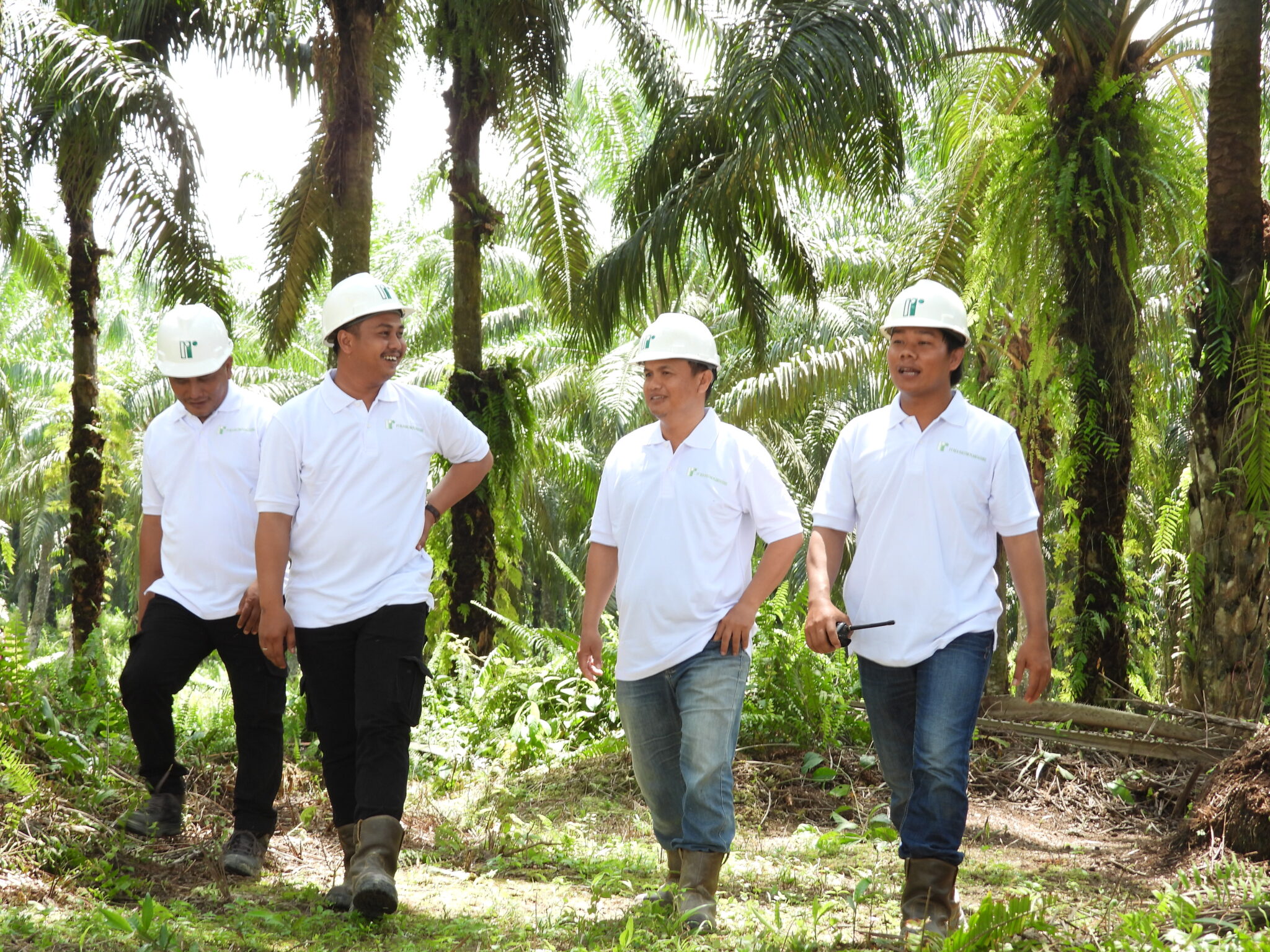
Reinforcing commitment pillars
The relationship between REA and Satelligence continues to grow and evolve, as both sides work to demonstrate how palm oil supply chain production can be carried out sustainably and in a way that supports the natural environment. “We appreciate how open the Satelligence team has been in sharing ideas.” REA is highly active in its commitment to protecting biodiversity and maintaining healthy ecosystems, with “Forest Conservation” being one of the company’s four strategic sustainability pillars.
Through its dedicated conservation team, REA Konservation (REA Kon), areas of high conservation value (HCV) are managed and protected through maintained habitat connectivity and the monitoring of rare, threatened, and endangered species – all in close collaboration with local stakeholders. These areas provide vital refuge for Critically Endangered species such as orangutans and sun bears.
Through collaborations with various academic and research institutions, REA is able to evaluate the effectiveness of biodiversity management practices, conduct soil health research, and promote sustainable palm oil cultivation that supports biodiversity protection.
“Satelligence’s deforestation alerts help us to identify early signs of habitat change and assess risks to forest conditions. This allows our team to act quickly on the ground and prevent further disturbance.” As Satelligence’s biodiversity monitoring features continue to develop, there is a clear trajectory for customers such as REA to enhance their conservation efforts, making them comprehensive, data-driven and, in turn, more impactful.

Proof of impact
Satellite monitoring and ground verification go hand in hand. REA is a company that truly appreciates how one without the other would give an incomplete picture of their production activities; “our partnership has shown that combining both can make monitoring faster and more reliable.”
Supporting this kind of real-world application is central to our mission at Satelligence. By helping growers translate satellite insights into the transparency and evidence demanded by downstream buyers, we ensure that regulatory compliance, conservation goals, and business needs move forward together.
Such collaboration proves that a sustainable palm oil industry is not only possible, but measurable, verifiable, and scalable. By aligning data, fieldwork, and long-term conservation commitment, Satelligence supports companies in building supply chains that protect the forests we all depend on.
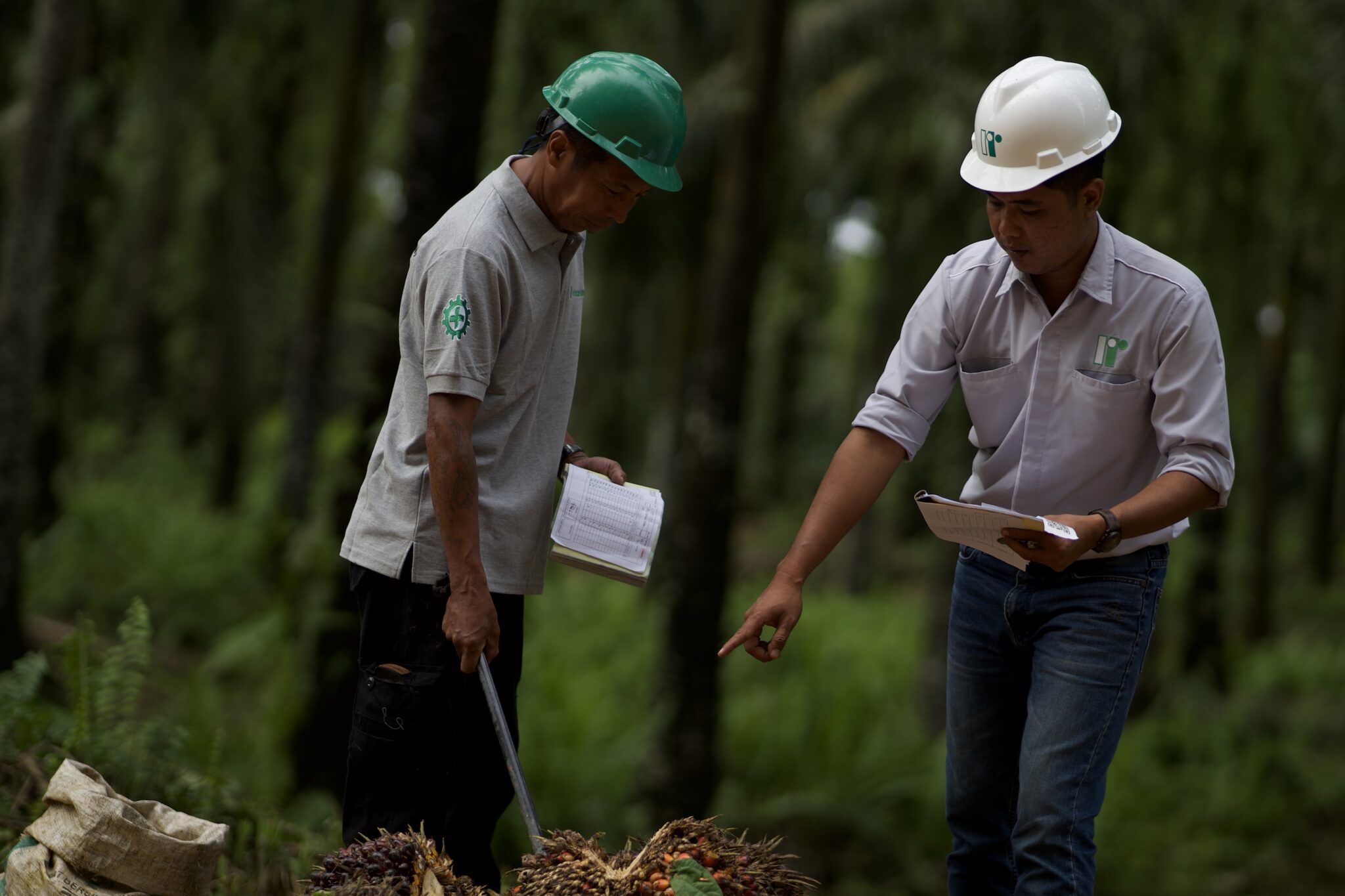
About REA

Established in 1991, REA is a leading sustainable palm oil producer operating in East Kalimantan, Indonesia. As an RSPO-certified subsidiary of R.E.A Holdings PLC, REA manages palm oil mills, kernel crushing plants, and plantations across one of Borneo’s most biodiverse landscapes, while actively conserving over 11,000 hectares of protected forest. Committed to responsible production and collaborative agricultural practices, REA works to ensure that high-quality crude palm oil and palm kernel oil can be produced in harmony with the region’s threatened wildlife and natural ecosystems.
Disclaimer: Unless otherwise stated, all images are courtesy of REA.
Our work in the news