

Compliance to Competitive Advantage with Audit-Ready DCF Solutions
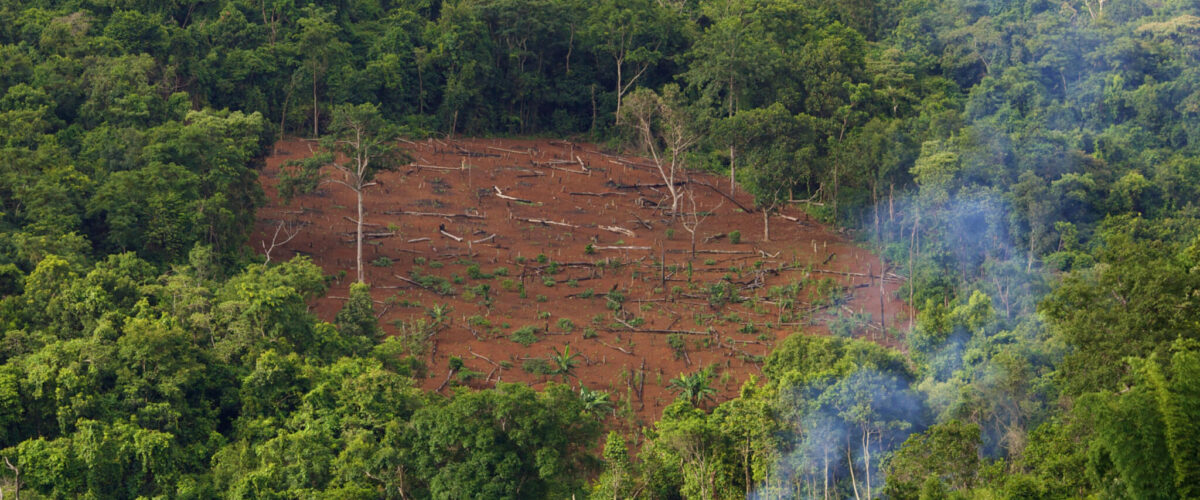
DCF is more than a compliance requirement; deforestation and conversion pose both an environmental and a business risk. Adopting a DCF approach helps companies to safeguard their access to global markets, secure long-term supply, and protect brand credibility.
Satelligence provides the data foundation for credible DCF claims, from identifying low-risk sourcing areas to monitoring deforestation and land conversion at plantation level.
We’ll build a DCF approach tailored to your business.
What does Deforestation- and Conversion-Free mean in practice?
DCF ensures that key commodities like palm oil, cocoa, soy, beef, and rubber are not linked to deforestation or land conversion after a defined cut-off date. Satelligence provides the flexibility to adapt to various cut-off dates (e.g., Dec 2020 for EUDR, 2015 for voluntary commitments, and custom cut-off dates). It provides a shared foundation for meeting both mandatory and voluntary sustainability goals such as EUDR, NDPE, and SBTi FLAG.
Importantly, it goes beyond forests, covering critical natural ecosystems — including peatlands, grasslands, savannahs and wetlands.
Why DCF matters for your business
In today’s sustainability landscape, achieving deforestation-and conversion-free (DCF) sourcing is more than an ethical choice — it’s a strategic imperative. It is the baseline for securing market access, protecting brand equity, and meeting the evolving demands of investors and other stakeholder expectations.

Business Impact
Adopting DCF (Deforestation and Conversion-Free) practices generates long-term enterprise value by de-risking supply chains against climate-driven volatility and ecosystem degradation.
Beyond operational stability, a verified DCF business improves access to capital, attracts sustainability-conscious partners, and meets stakeholder expectations for responsible production.
Risks of Not Acting
Failing to act exposes businesses to serious systemic risks, including supply disruption in sourcing regions and supply chain instability to legal and financial consequences under new global regulations.
Market & Regulatory Pressure
Across global markets, what is deforestation-free is now clearly defined by policy. The EU Deforestation Regulation (EUDR) and related frameworks require companies to demonstrate that their products are free from deforestation and ecosystem conversion — a standard quickly becoming the global norm.

Compliance & Reputation
Compliance with EUDR and similar standards like NDPE, and SBTi FLAG protects not just operations, but reputation. Transparency builds trust with customers, investors, and regulators, showcasing measurable climate and biodiversity impact.

Supply Chain Visibility
True resilience comes from visibility. A deforestation and conversion-free supply chain equips companies to trace commodities back to origin, verify sourcing integrity, and act with confidence — turning sustainability into a competitive advantage.
How DCF Works
Deforestation and Conversion-Free (DCF) verification follows a clear, step-by-step process to ensure commodities like palm oil, soy, cocoa, beef, and rubber come from land untouched by deforestation or ecosystem conversion after a defined cut-off date (typically aligned with regulations like EUDR).
Here’s how it works:
Trace Supply Chain Origins
Map your raw materials back to specific production areas — from national or sub-national levels down to farm or plot scale, depending on risk. Reliable traceability (via geolocations or certifications) is the foundation.
Verify No Post-Cutoff Conversion
Use satellite imagery, AI analysis, and ground data to confirm no deforestation, land conversion, or degradation occurred in those areas after the cut-off date. This proves historical compliance.
Monitor Ongoing Risks
Set up continuous monitoring of remaining natural vegetation (forests, peatlands, wetlands) to detect and respond to any new conversion in real-time, ensuring sustained DCF status.
Independent Verification
Have third-party auditors validate your methodology, data accuracy, and claims for credibility — turning DCF into Verified DCF (V-DCF) for reporting and certifications.
Why Satelligence
Science-based. Aligned with key industry standards (AFI and CGF DCF methodologies) . Supporting supply chain resilience.
Satelligence helps you establish and maintain sustainable sourcing through our Deforestation- and Conversion Free (DCF) implementation methodology. Our frameworks are aligned across commodities and with leading global initiatives such as the Consumer Goods Forum (CGF) Forest Positive Coalition, NDPE IRF, and EUDR requirements, ensuring consistency and credibility across markets.
Regardless of whether you have full, partial, or no traceability data, we can help you get started on your DCF journey through one of the following options.
Here’s how our methodology works:
Option 1
Traceability data-based
When traceability data is available, Satelligence analyses deforestation and conversion at plantation, concession, or farm level using high-resolution satellite data.
Each production unit is assessed against a defined cut-off date (e.g. 31 December 2015), confirming whether any deforestation has occurred since then.
The result is a clear percentage or volume of supply that can be verified as DCF.
Option 2
Satelligence data: Supply chain-based
When traceability data is limited, Satelligence will use its supply chain database to fill traceability gaps.
For commodities such as palm oil and soy, we leverage our proprietary concession and CAR databases to establish traceability linkages between mills and production areas.
Using high-resolution nature baselines and deforestation detection, we calculate verified DCF percentages and identify deforestation exposure linked to known supply sources.
Option 3
Satelligence data: Commodity-based
When traceability data is limited, and Option 2 is not possible, Satelligence applies commodity-specific land-use masks (e.g., palm, soy, cocoa, coffee) to identify and quantify deforestation directly linked to mapped production zones and supply chain entities.
This approach provides commodity-driven DCF volumes at different levels of aggregation (supply chain, landscape) and helps companies assess, prioritise, and plan sourcing and traceability strategies across commodities and regions.
Our approach combines:
1. Traceability data from your suppliers and mills
2. High-resolution satellite monitoring of forest and land use change
3. Proprietary crop maps for accurate commodity attribution
4. Continuous updates and deforestation alerts for ongoing monitoring
5. Transparent and industry-aligned methodology and data
Approved & trusted by leading companies






















PepsiCo’s Sustainability Report 2025
“We collaborated with Satelligence, a satellite monitoring platform, to help improve our capability to monitor deforestation events, detect and respond to early alerts and verify origins as deforestation-free in our palm oil (global coverage), sugarcane (Mexico) and cocoa (Brazil, Mexico) supply chains.”
Lindt & Sprüngli Annual Report 2025
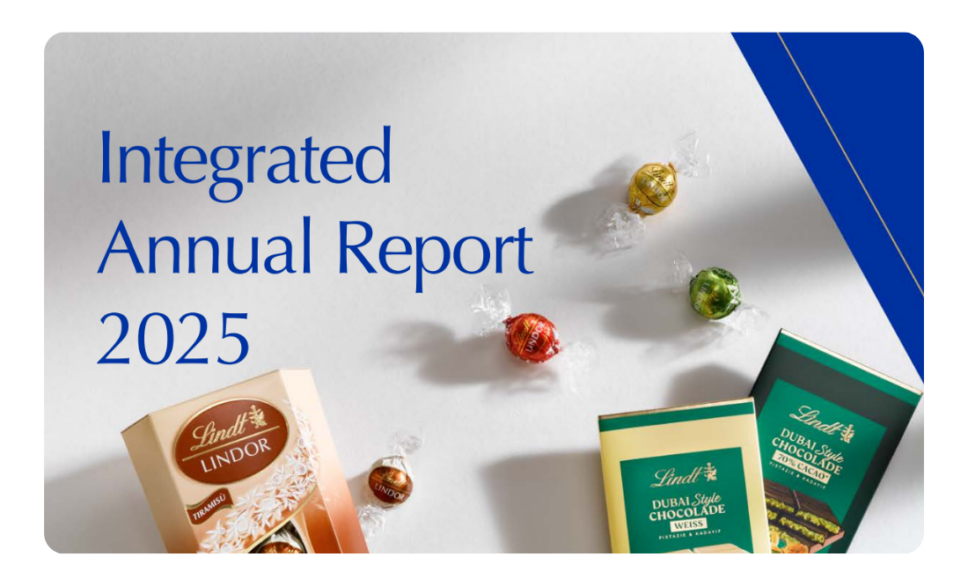
“Since 2023 we have Satelligence to more accurately monitor and detect deforestation within or around mapped farms in the Farming Program. Their tool provides deforestation detection data, deforestation risk assessments (with transparent and externally audited methodology), and carbon-emission quantification as a result of land-use change.”