
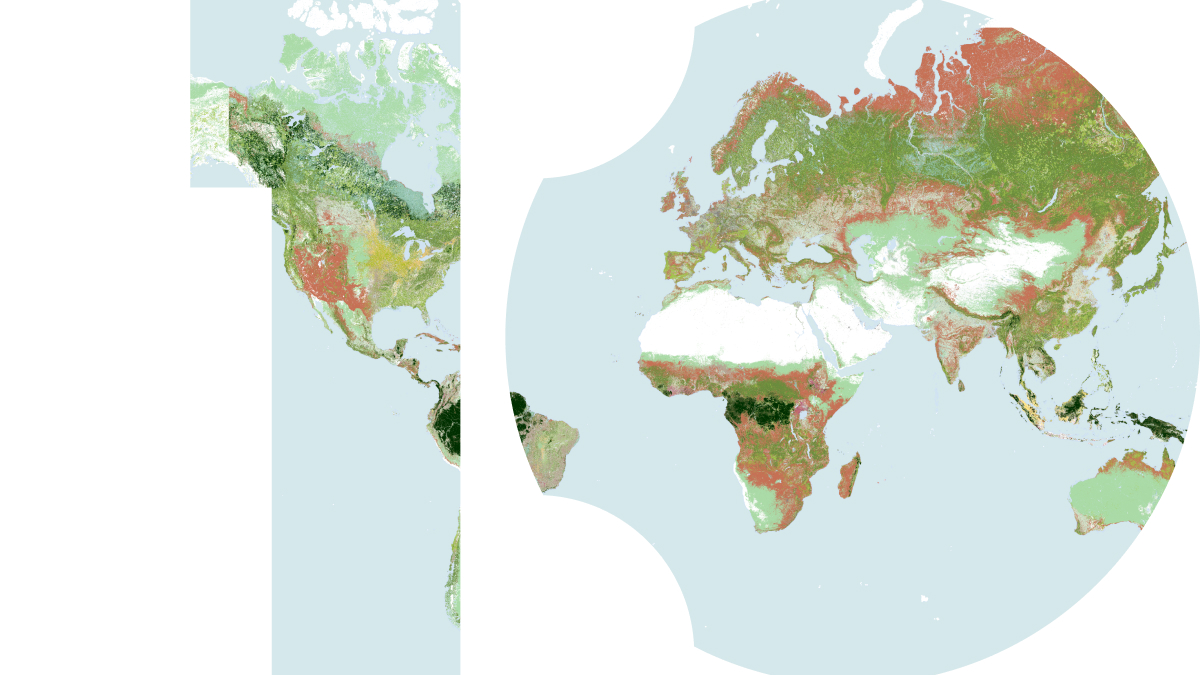
Nature Intelligence is defined as contextual, actionable insights that translate environmental complexity into decisions that protect supply chains, satisfy regulators and investors, and support a more resilient business. Satelligence has spent the past decade developing the foundations of deforestation monitoring, and is now extending that expertise into broader nature and climate intelligence.
Building the foundation for Nature Intelligence
Over the past decade, the relationship between environmental data and business decisions has changed in a fundamental way. When Satelligence first began, our initial goal was to enable companies to see exactly what was happening in the landscapes their supply chains depended on, and act in response.
In 2016, this capability was largely absent, and the challenge was great – forests were disappearing at a rate faster than businesses could track, supply chains stretched across vast unmapped areas, and the data at that stage was outdated, inaccurate, and fragmented. Satelligence developed a way to apply satellite monitoring, remote sensing, and radar technology to address these specific challenges of monitoring deforestation across complex supply chains.
Today, business needs have evolved beyond deforestation monitoring to encompass a more holistic understanding of the environment, incorporating carbon emissions, biodiversity loss, water stress, and beyond. To better reflect this more intricate web of environmental change and associated risk, Satelligence has proposed the concept of Nature Intelligence, bringing together contextual, actionable insights that translate environmental complexity into decisions that protect supply chains, satisfy regulators and investors, and ultimately support a more resilient business.
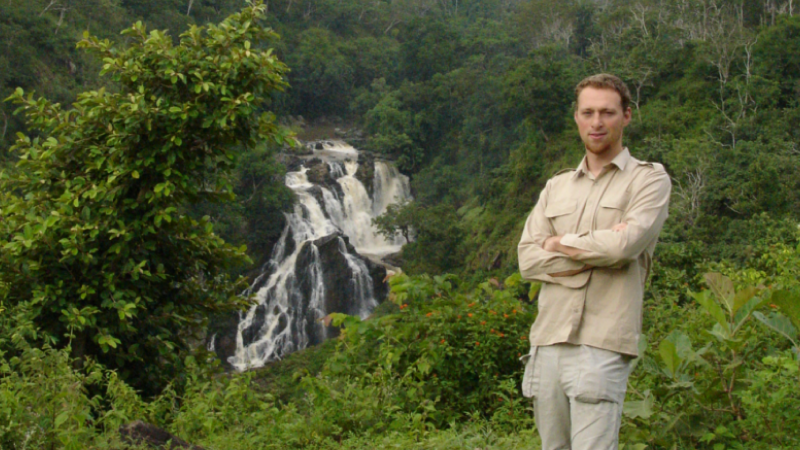
Niels Wielaard in the Indonesian Jungle
How did satellite monitoring change deforestation detection?
Our CEO, Niels Wielaard, initially founded Satelligence with the belief that technology could support a symbiotic relationship between business and nature, enabling each to thrive in harmony. It is a belief that has since been tested at scale, across some of the world’s most complex supply chains.
In our 2026 Impact Report “A decade of impact”, Niels reflects on the early days of remote sensing, using optical satellites that could not detect through cloud cover – a huge limitation in cloud-prone areas such as the tropics: “We made a deliberate choice early on to go where the problems were biggest and the data was absent: the tropics, the sourcing regions that the rest of the remote sensing industry was ignoring. It’s a decision that has defined us.”
During his time with Wageningen University, Niels and his peers developed the commercial use of synthetic aperture radar (SAR) for monitoring tropical forest. With radar’s ability to penetrate clouds, rain, and darkness, it could reveal the realities of deforestation in previously inaccessible regions.
We made a deliberate choice early on to go where the problems were biggest and the data was absent: the tropics, the sourcing regions that the rest of the remote sensing industry was ignoring. It’s a decision that has defined us.
– Niels Wielaard, CEO of Satelligence
How do we build credible environmental data?
Since 2016, Satelligence has been building the foundations for credible, consistent environmental data for global supply chains. We built ground reference data, published novel algorithms, had our map data certified by EY (an industry first), invited independent accuracy assessments of our methodologies, and nurtured a client network that now spans the world’s most complex sourcing regions. In 2016, “deforestation monitoring” was an unheard of category. Today, Satelligence supports some of the biggest food and beverage companies in their sourcing decisions. “The scale of what has been built—by our team, our clients, and our partners—still surprises me,” writes Niels.
These foundations in deforestation monitoring provide the basis for a broader understanding of nature and climate-related risks and opportunities. Nature Intelligence, built on these industry-leading deforestation monitoring capabilities, enables companies and organisations to move beyond a reactive approach to risk. With this holistic, proactive approach, our clients are able to truly understand the full nature and climate footprint of their supply chains and use this information to secure supply and ensure resilient growth. Beyond the siloes of individual teams, Nature Intelligence supports the integrated understanding of environmental risk and opportunity, informing procurement, sustainability, and compliance decisions through clear, consistent, and coherent data.
By bringing together different environmental insights, Satelligence is helping businesses move beyond individual risk assessments towards a more integrated understanding of the nature and climate impacts across their supply chains.
What does Nature Intelligence mean for the future of sustainable sourcing?
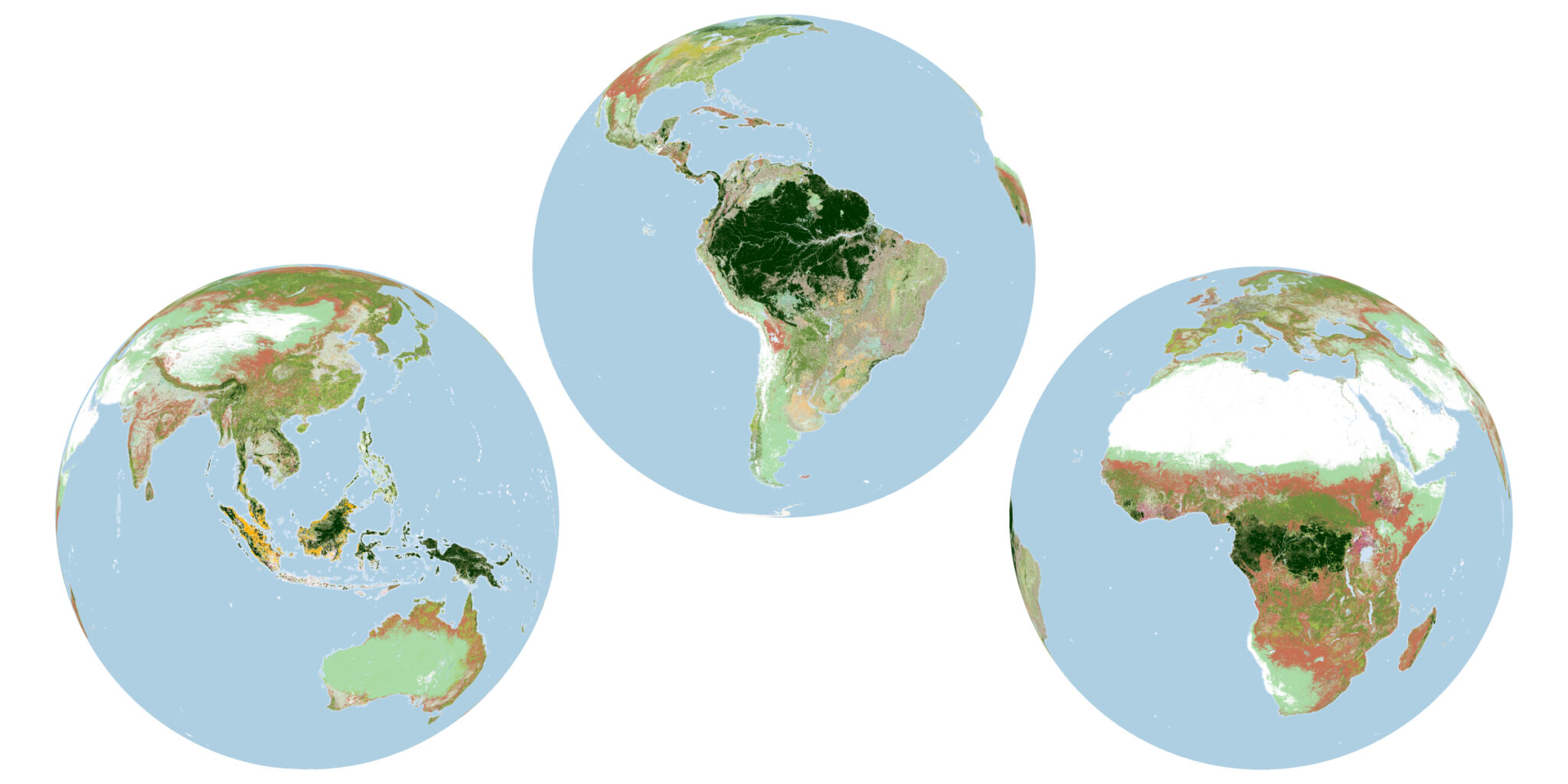
The Satelligence Global Harmonised Nature & Commodity Baseline
The future of sustainable sourcing requires a collaborative effort of incorporating a more holistic approach to supply chain management. To ensure security of supply in a rapidly changing world, business leaders will need to integrate Nature Intelligence into their strategic decision-making, bringing nature and climate insights into the everyday decisions that shape their supply chains.
This next stage will require more than technology alone. As Niels reflects in the opening letter of our Impact Report, bringing the wider market together is a greater challenge than leading the way. But Satelligence is not doing this alone; collaboration across businesses, partners, and the wider industry will be essential to making Nature Intelligence part of a more resilient future for global supply chains.
Satelligence Impact Report 2026: A Decade of Impact
Satelligence has published its A Decade of Impact Report, marking 10 years of building the analytics infrastructure that enables the world’s largest food and beverage companies, chemicals brands, and traders to monitor, measure, and act on nature and climate risk across their supply chains. Read the full Press Release here.
Satelligence is the satellite-powered geo-data analytics company delivering Nature Intelligence for global supply chains. It provides real-time insights into agricultural production and supply chain risks—including deforestation, carbon, biodiversity and water—empowering leading companies like Grepalma, SD Guthrie and Nissin to measure, manage, and mitigate nature and climate commitments. By providing consistent, audit-ready supply chain insights, Satelligence helps businesses drive profitability while fostering an equitable, climate-positive future. With offices in Utrecht, Jakarta, Abidjan, and São Paulo, it is committed to protecting businesses, people, and the planet. For more information, visit www.satelligence.com.
For media inquiries contact media@satelligence.com