
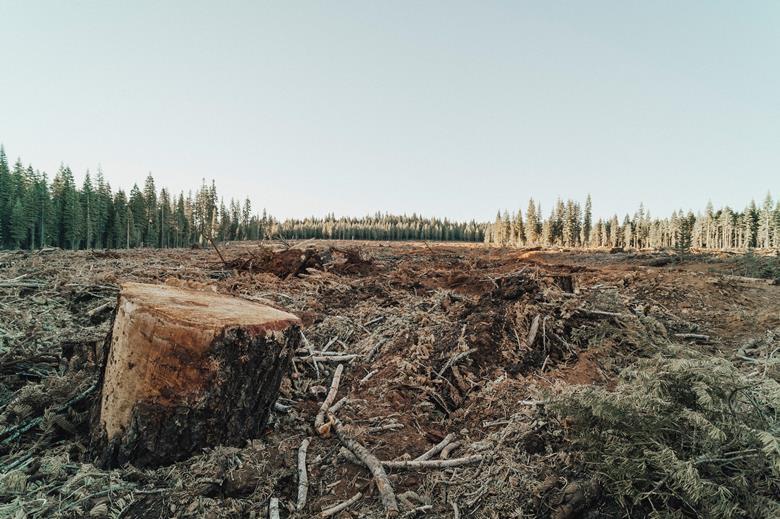
Satelligence Publishes First Cross-Commodity Deforestation- and Conversion-Free (DCF) Methodology for Robust Sustainable Sourcing
Utrecht, Netherlands — July 30, 2026
Satelligence announces its comprehensive, cross-commodity methodology for Deforestation- and Conversion-Free (DCF) sourcing, the first of its kind in the agricultural commodity sector. DCF assessments, which ensure that forest and non-forest risk commodities (such as palm oil, coffee, cocoa, soy, and so on) have not caused deforestation or the conversion of natural ecosystems, are becoming an essential tool for responsible supply chain management and another way companies can demonstrate transparency.
With this detailed paper, which is available to download, Satelligence hopes to improve consistency and efficacy of DCF across the agricultural commodity industry.
“The environmental challenges we face cannot be solved by one organisation alone. By sharing how we assess DCF performance, we hope to contribute to a more coherent approach that helps companies make better decisions. Ultimately, this brings greater impact for forests, ecosystems, and the people who depend on them.”
– Alan Kroeger, Nature & Climate Director, Satelligence
A DCF methodology built for real-world supply chains
DCF commitments are increasingly embedded within procurement, sustainability reporting, and due diligence processes, meaning organisations face growing pressure to demonstrate that their sourcing decisions are underpinned by credible, transparent, and comparable assessments.
Today, DCF performance is often measured using different methodologies and data sources depending on the commodity, traceability level, or reporting framework, which can make it difficult to compare results, benchmark progress, and build confidence in sustainability claims.
Intended to contribute to broader industry alignment, the methodology has been developed to provide a common reference that organisations can use to better understand how DCF performance is calculated and applied across different commodities and traceability conditions.
It links land-use change directly to supply chain units—including farms, mills, sourcing regions—to generate decision-ready DCF metrics that can support sourcing decisions, due diligence activities, and overall sustainability reporting. By applying a single assessment framework across commodities, the methodology helps organisations strengthen the credibility of their DCF assessments.
Being confident in a DCF outcome starts with confidence in how that outcome was produced. We want this methodology to bring clarity, scale, and cohesion to a complex process, so we prioritised openness. We don’t believe in ‘black boxes’.
– Monideepa Bhattacharya, Nature & Climate Engagement Manager, Satelligence
Independently reviewed and designed to evolve
This methodology has been reviewed by Control Union Malaysia under a Second Party Opinion agreement to assess its technical design, internal consistency, transparency, and alignment with recognised frameworks, including the Consumer Goods Forum Forest Positive Coalition (CGF FPC), NDPE IRF v6.0, POCG, AFi and EUDR. The Control Union’s thorough assessment serves as validation that the methodology is robust, clearly documented, and fit for its intended purpose.
Recognising that DCF expectations, technologies, and industry guidance continue to evolve, Satelligence has published the methodology as a living reference piece. Future versions will incorporate feedback from customers, sector experts, recognised frameworks and independent reviewers, ensuring the methodology evolves alongside industry needs while maintaining a stable, transparent approach at its core.
The methodology is available to download here.
About Satelligence
Satelligence is the satellite-powered geo-data analytics company delivering real-time insights into global agricultural production and supply chain risks, including deforestation and carbon. We empower leading companies like Cargill, Unilever, Mondelez, Bunge, Nestle, Pepsico and Tony’s Chocolonely to measure, manage, & mitigate nature and climate commitments. By providing unparalleled supply chain insights, Satelligence helps businesses drive profitability while fostering an equitable, climate-positive future. With offices in Utrecht, Jakarta, Abidjan, and São Paulo, we’re committed to protecting businesses, people, and the planet.
For media inquiries contact media@satelligence.com